First, check if anything is actually wrong
A lot of people find out their installer is gone the day something goes wrong. Before you panic, find out whether there's a real problem.
Open your monitoring app. Enphase, SolarEdge, Tesla and most others have one. Look at three things: - Is it producing today? Check around midday on a sunny day. - Is it reporting? A message like "site not communicating" or a date that stopped updating usually means the system lost internet, not that the panels died. - When did it change? Go back day by day and find the date. A storm, a power outage, a new router or roof work are the usual suspects.
If the system is producing and reporting, you don't have an emergency. You have a system without a service company, which is fixable.
The papers you want to find
When an installer closes, the paperwork is what keeps you in control. Look for: - Your contract or purchase agreement. It lists what you bought and who financed it. - The equipment list. Panel brand and model, inverter or microinverter brand. It's often on the permit, the contract, or a label on the inverter itself. - Your monitoring login. If you never had one, the equipment maker can usually help you set it up. - Your loan or lease papers, if you financed it. A lender or leasing company is separate from the installer, and your obligations to them usually don't go away when the installer does. - Your permit and interconnection approval from the county and your utility.
Keep all of it in one folder. The next person who works on your system will ask for it.
Who covers what when the installer is gone
This is the part that confuses people. There are usually two different kinds of coverage on a solar system: - The equipment maker's coverage. Panels, inverters, microinverters and optimizers are covered by the company that made them, not the company that sold them. That company is usually still in business even when the installer isn't. If a part really failed, there's typically a replacement process that goes through the manufacturer. - The installer's workmanship coverage. This covered things like leaks around the mounts or bad wiring done during install. When the installer closes, this part usually goes with them.
What applies to your system depends on your equipment, its age and your contract, so read your papers or have someone go through them with you. If your system came from a company that went through bankruptcy, our Sunnova guide covers the paperwork side in more detail.
A real one from Davenport
A homeowner in Davenport had a ground-mount SolarEdge system. The monitoring app said "site not communicating," and there was no installer to call. They didn't know if the system was even making power.
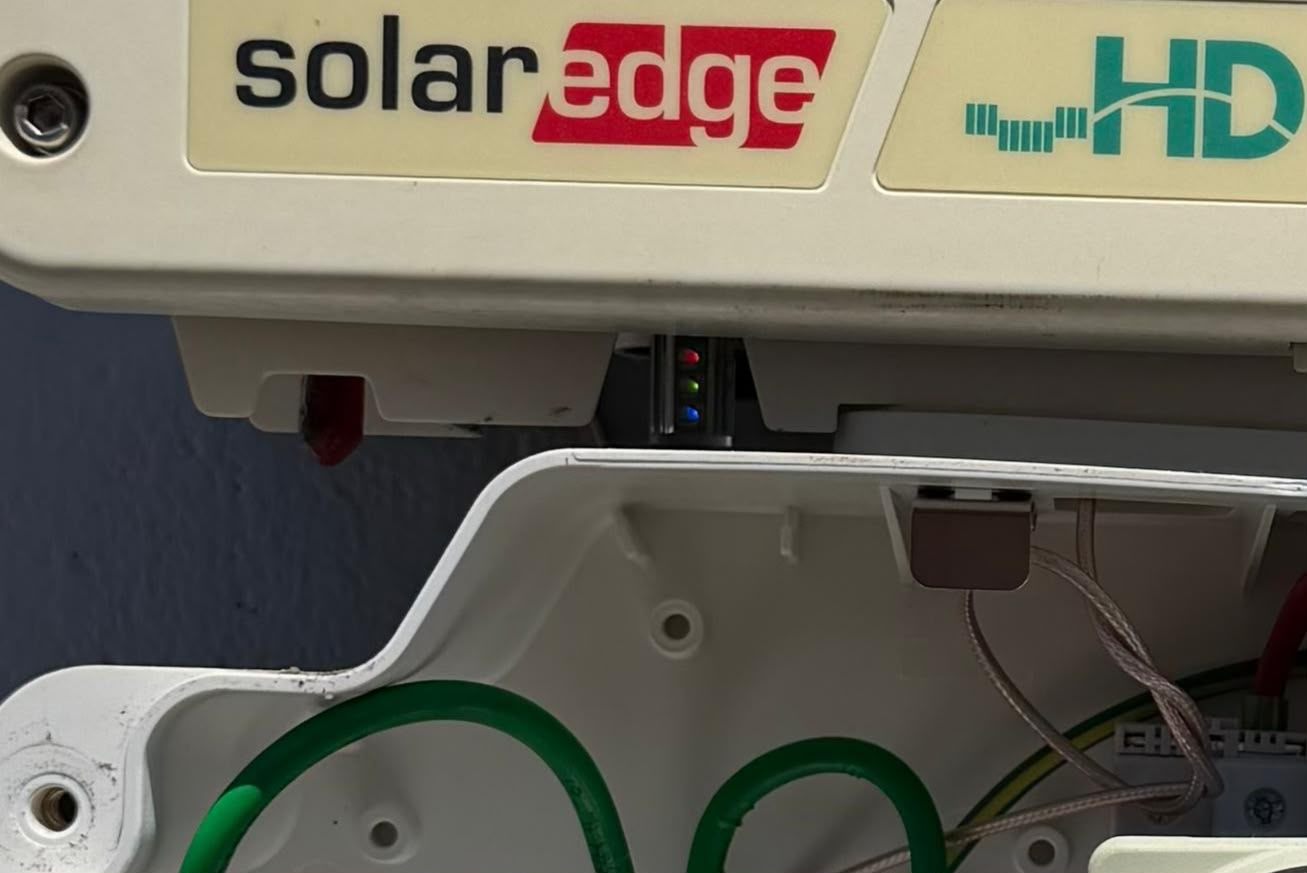
We started with the basics: the inverter lights, the app, and the communication setup. The system was producing, it just wasn't talking to the monitoring platform. Once we found why and got it reporting again, the inverter showed its normal lights and the app went back to showing real numbers. The owner went from "is this thing even working?" to seeing their production every day.
This is a common case with orphaned systems. Nothing is broken. It's just that nobody is watching it.
What not to do
- Don't sign with the first company that calls you. When an installer closes, some sales companies go after its customers with pitches for new systems or "upgrades" you don't need. Get your current system checked first.
- Don't open the inverter or unplug anything on the roof. If something needs electrical work, that has to be done the right way.
- Don't stop paying a loan without talking to the lender. The installer closing doesn't usually cancel a separate loan. If you have questions about that, talk to the lender or an attorney. We're not either one.
Getting your system a new service company
Look for someone who works on your brand of equipment, will check it without trying to sell you a new system, and gives you photos and a plain explanation of what they found.
That's what our solar diagnostic and repair service does. We work on systems from all major solar brands, no matter who installed them, across Polk and Osceola. If you're in Kissimmee and your installer disappeared, here's how we help Kissimmee solar owners. We look at your app, check the equipment on site, and tell you what we see before any work.
Permitted, electrical, and roofing work is performed in coordination with our licensed contracting partner.
Ready to have someone look at it? Get a quote and send us a screenshot of your monitoring app.
Written by Roger Carmona, owner of CleanSpectrums, from jobs we have done across Polk and Osceola. Published November 18, 2026.